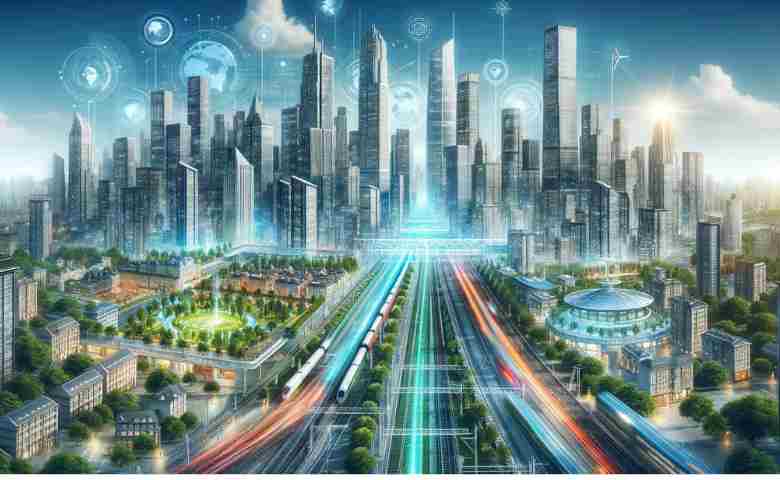
Global infrastructure development continues accelerating as governments and private investors increase spending on transportation, energy, and communication networks. Large-scale projects are being launched across multiple regions to improve logistics efficiency, support business activity, and strengthen economic competitiveness.
Analysts report that infrastructure investment remains one of the most effective methods of stimulating long-term growth. Modern highways, rail networks, ports, and airports can reduce transportation costs while improving access to domestic and international markets. Businesses benefit from faster movement of goods and more reliable supply chains.
Digital infrastructure is receiving significant attention as well. Governments are expanding broadband access and supporting next-generation communication networks that allow businesses and consumers to participate more effectively in the digital economy. Technology companies are partnering with public institutions to improve connectivity and cybersecurity.
Environmental sustainability is becoming a central requirement in project planning. New infrastructure initiatives increasingly include renewable energy integration, energy-efficient construction practices, and environmental monitoring systems. Policymakers are attempting to balance economic development with long-term sustainability goals.
Financial institutions continue supporting infrastructure programs through loans, investment funds, and public-private partnerships. Economists believe these projects can create jobs, increase productivity, and attract additional investment.
Experts predict infrastructure modernization will remain a major global priority during the coming decade. Countries that successfully improve transportation, energy, and communication networks may strengthen their competitive position and support higher levels of economic growth while improving quality of life for citizens.